Compare Local Contractors for Tree Branch Cutting Services
Compare local contractors for tree branch cutting to define project scope, verify experience, and set clear expectations for a safe, effective job.
Tree branch cutting services generally encompass the removal of overgrown, dead, or hazardous branches to promote the health and safety of trees and surrounding property. This work often involves trimming or pruning to shape the tree, prevent potential damage caused by falling limbs, and improve overall appearance. Contractors typically use specialized tools and techniques to safely access and remove branches, especially in hard-to-reach areas or near structures, ensuring the work is performed efficiently and safely.
Clearly defining the scope of tree branch cutting projects is essential to ensure that property owners and service providers share the same expectations. A well-outlined scope might specify which branches are to be removed, the desired shape or height of the tree, and any safety considerations or restrictions. Having these details in writing helps prevent misunderstandings, allows for accurate planning, and ensures that the work aligns with the property owner’s needs and safety standards.
When comparing local contractors for tree branch cutting, it’s important to consider their experience, reputation, and the services they offer. Property owners can review credentials such as references, previous work examples, and customer feedback to gauge reliability and quality. Asking service providers about their approach to scope definition, safety practices, and their process for handling unexpected issues can also help in making an informed decision. Taking the time to compare these aspects can lead to a more successful and satisfying outcome for the project.
Compare local contractors by outlining project priorities, verifying experience, and establishing clear scope and expectations.
- Compare Contractor Credentials - Evaluate the experience and reputation of local contractors to ensure quality work.
- Define the Scope Clearly - Specify the extent of branch cutting needed to set clear expectations.
- Verify Service Provider Experience - Confirm that local contractors have relevant experience handling similar tree branch projects.
- Document Agreements in Writing - Ensure all work details and expectations are outlined in a written agreement.
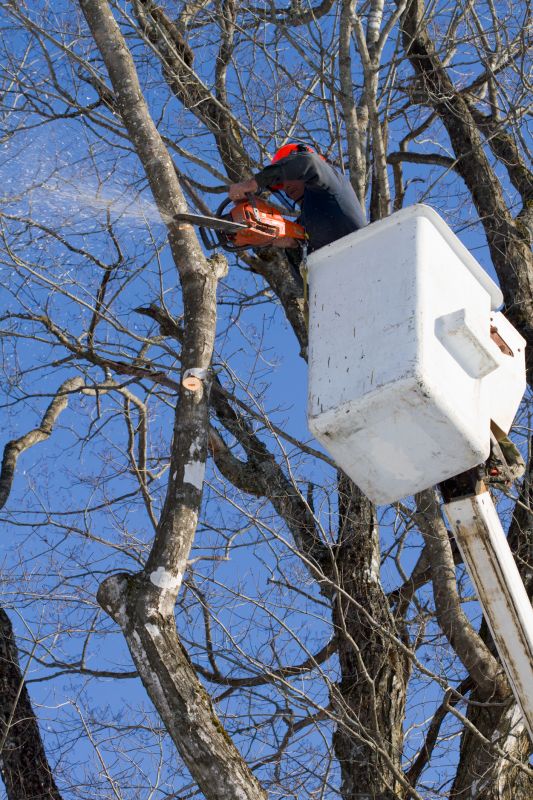
Clearly describe your tree branch cutting project and compare contractor options based on experience and scope.
- Assess the contractor's experience with tree branch removal to ensure familiarity with the scope of work. - Verify that service providers understand proper pruning techniques and safety protocols.
- Define the scope of work clearly in writing, including which branches are to be cut and any areas to avoid. - Ensure expectations are documented to prevent misunderstandings during the project.
- Compare multiple local contractors to evaluate their expertise, reputation, and service offerings. - Look for providers with positive reviews and relevant project experience.
- Request detailed descriptions of the methods and tools used for branch cutting to ensure quality and safety standards. - Confirm that the approach aligns with best practices for tree health and property safety.
- Check that the scope of work includes cleanup and disposal of cut branches to maintain property tidiness. - Clarify whether cleanup is part of the service or requires additional arrangements.
- Ensure all project details, including scope, safety measures, and responsibilities, are documented in a written agreement before work begins. - Proper documentation helps set clear expectations and protect all parties involved.
Compare local contractors to clarify scope, verify experience, and set clear expectations in writing.
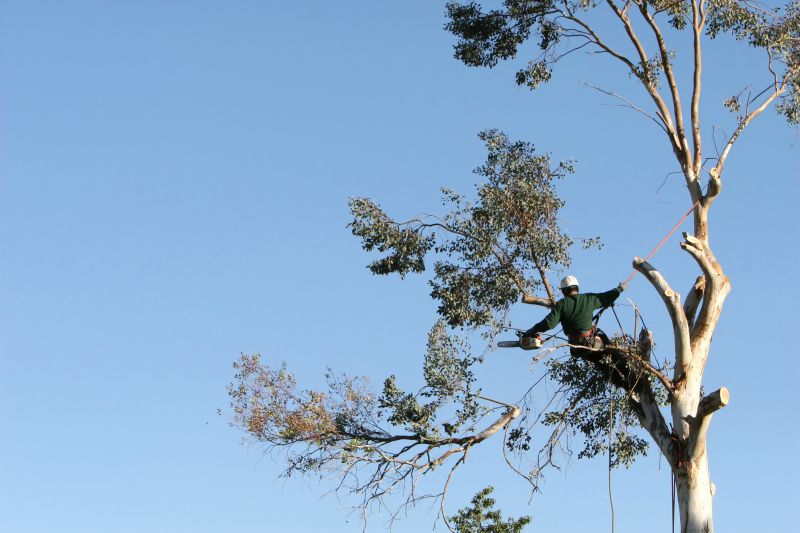
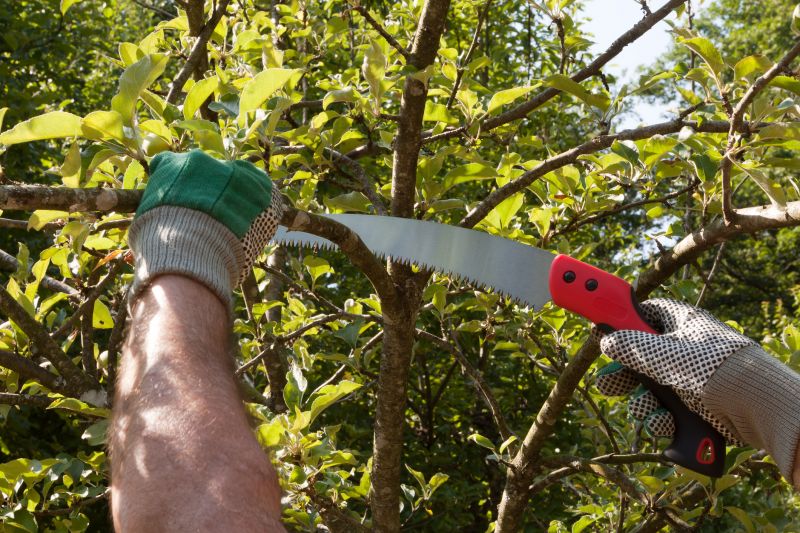
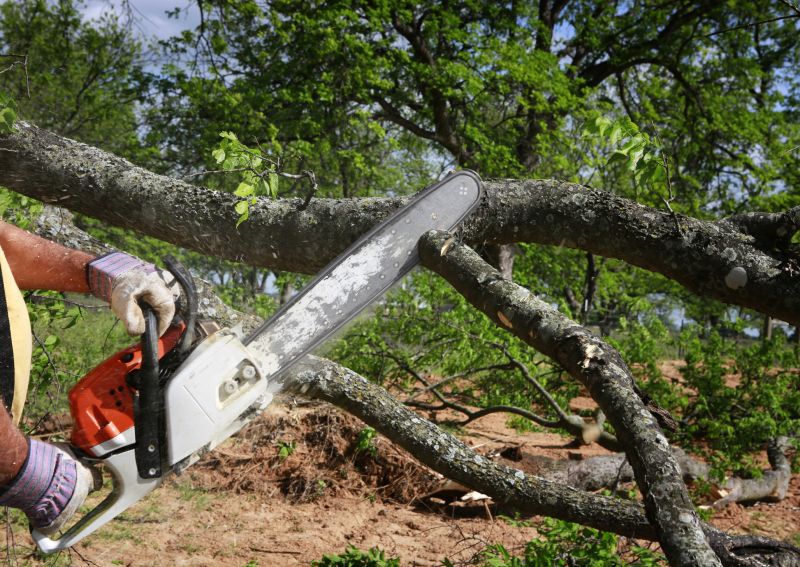
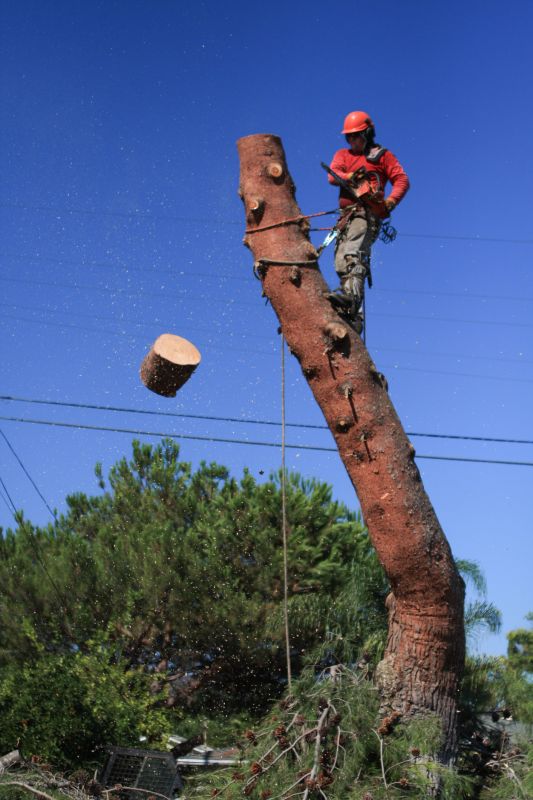
Compare local contractors' scope of work and verify experience to ensure consistent expectations across providers.
- Define scope of work - specify the types and number of tree branches to be cut and any additional services needed.
- Verify experience and expertise - ensure service providers have relevant experience in tree branch cutting and related tree care.
- Assess equipment and safety measures - confirm that contractors use appropriate tools and follow safety protocols during the work.
- Establish project expectations in writing - document the work details, responsibilities, and any specific requirements before work begins.
- Compare local contractors - evaluate multiple service providers based on their scope, experience, and written agreements to find the best fit.
When comparing contractors for tree branch cutting, it is important to consider their experience with similar projects. Homeowners should inquire about how long a service provider has been performing tree trimming and whether they have handled projects of comparable size and complexity. Contractors with a proven track record in managing branches of similar height, density, or proximity to structures are more likely to understand the nuances involved and deliver satisfactory results. Gathering details about past work can help ensure the chosen provider has the relevant background to handle the specific needs of the property.
A clear, written scope of work is essential to set proper expectations and avoid misunderstandings. Homeowners should seek a detailed description of what the contractor plans to do, including the specific branches to be cut, the areas affected, and any cleanup or debris removal involved. A well-defined scope provides clarity and serves as a reference point for both parties, helping to ensure that all aspects of the project are understood and agreed upon before work begins. This documentation can also be useful for resolving any issues that might arise during or after the project.
Verifying the basics of a contractor’s experience involves more than just asking about their background. Homeowners should request references or examples of completed projects similar to their own, and consider how the contractor approaches safety and equipment use. Checking whether the service provider has a history of reliable work and positive interactions with previous clients can offer insight into their professionalism and competence. While formal licensing or certification may not be required, gathering information about their experience and reputation can help build confidence in their ability to perform the work effectively.
Evaluating options without focusing on prices involves assessing the quality of the service providers’ approach and communication. Homeowners should compare how clearly each contractor explains their scope, the thoroughness of their written proposals, and their responsiveness to questions. It is also helpful to consider the professionalism of the contractor’s communication, the completeness of their scope of work, and their ability to address specific project needs. By focusing on these aspects, homeowners can identify service providers who demonstrate expertise, transparency, and a clear understanding of the project, leading to a more informed decision-making process.
Ask contractors to provide written scope details to ensure clear, consistent expectations for the tree branch cutting project.
- Experience and Qualifications - What specific experience do the local contractors have with tree branch cutting projects similar to yours?
- Scope of Work - How do the contractors define and outline the scope of the branch cutting services they provide?
- Equipment and Techniques - What tools and methods do the service providers use to ensure safe and effective branch removal?
- Written Estimates and Agreements - Do the contractors provide detailed, written descriptions of the work included and any limitations?
- Insurance and Liability - How do the local service providers handle liability and ensure coverage for potential damages or accidents?
How can I compare different contractors for tree branch cutting? It's helpful to review their experience, verify references if available, and check how they define the scope of work to ensure they meet the specific needs of the project.
What should I consider when defining the scope of tree branch cutting? Clearly outline which branches need removal, the size and location of the trees, and any safety or access considerations to help contractors provide accurate proposals.
How do I verify a contractor’s experience with tree branch cutting? Ask about their past projects, request details on similar jobs they've completed, and inquire about their familiarity with the types of trees and branches involved.
Why is it important to have the scope of work in writing? Having a detailed, written scope helps set clear expectations, reduces misunderstandings, and provides a reference for the completed work.
What should I include in a comparison of local contractors? Consider their scope of services, experience, reputation, and how they communicate project details to ensure alignment with project goals.
How can I ensure a contractor understands my specific needs? Communicate your project details clearly, ask questions about their approach, and confirm that they can tailor their services to your requirements before proceeding.
This page has outlined key steps to help compare local contractors for tree branch cutting, including defining the scope of work, verifying experience, and setting clear expectations in writing. Understanding these factors can assist in making informed decisions when selecting service providers who meet specific project needs. To explore options and find the right fit, use the quote form to connect with local contractors ready to assist with your tree branch cutting project.
By utilizing the quote form, visitors can easily compare multiple local service providers to find those best suited for their project requirements. This approach simplifies the process of evaluating options and ensures that details are clearly communicated before making any commitments. Connecting with local contractors through the form is a practical step toward finding experienced professionals prepared to handle tree branch cutting tasks.